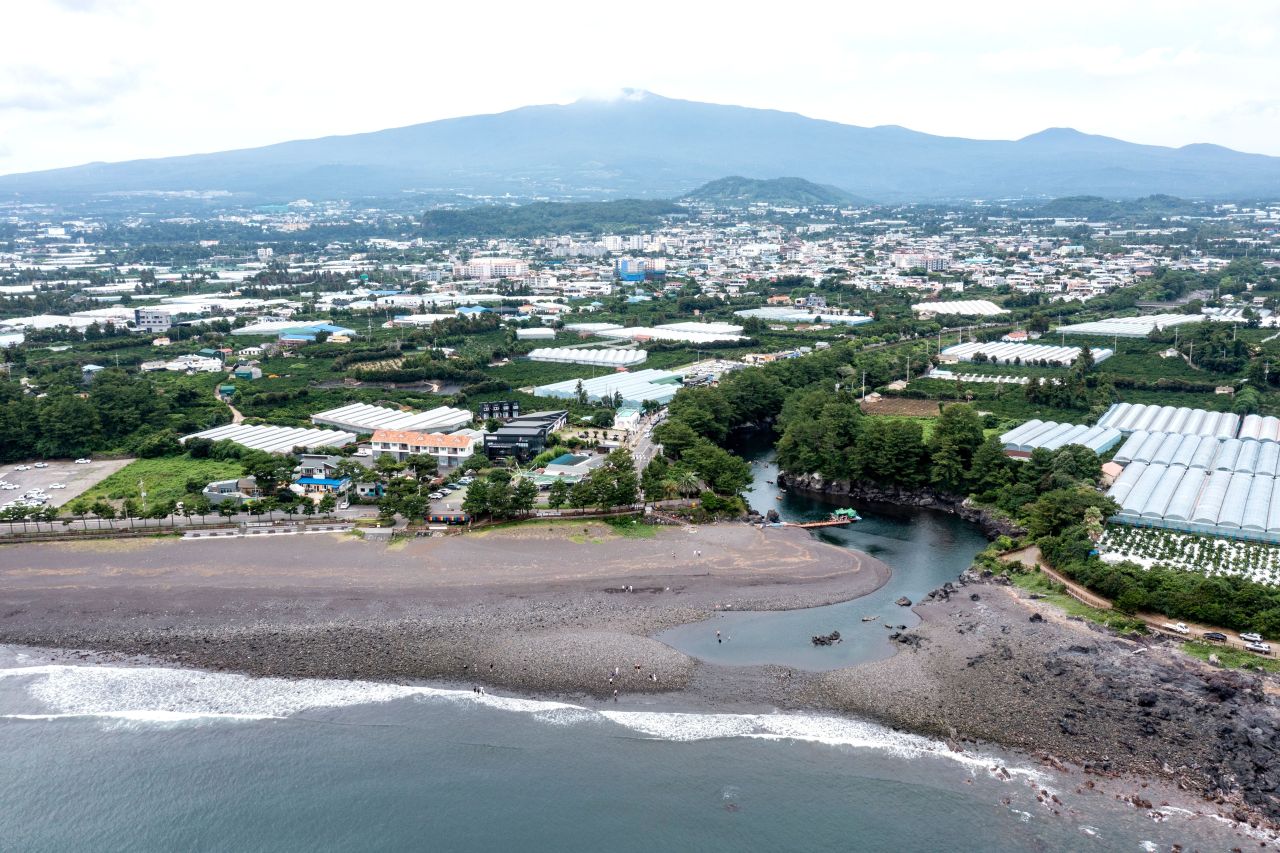
Jeju-do is a volcanic island and a popular travel and workation destination for Koreans. Some Korean companies even offer one-month work-from-Jeju programs as an employee benefit.
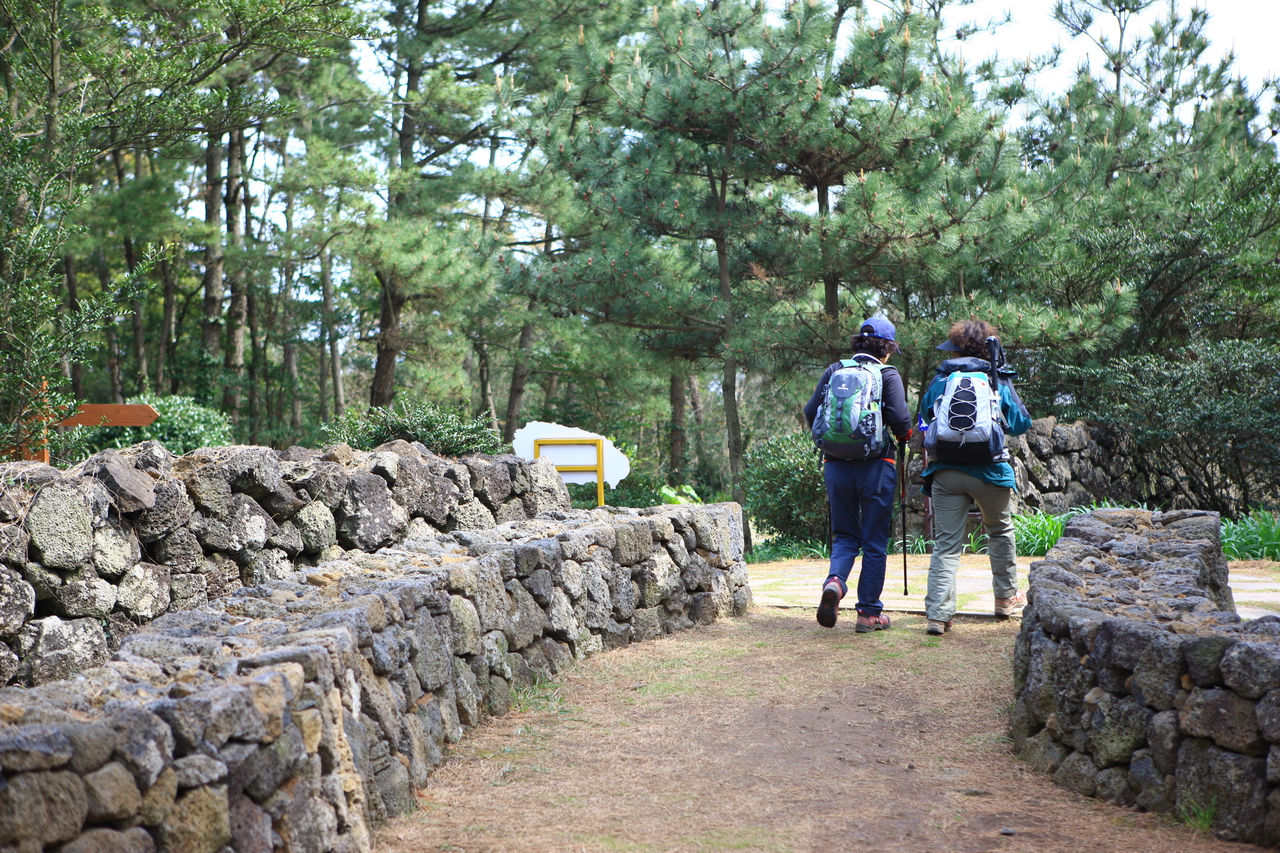
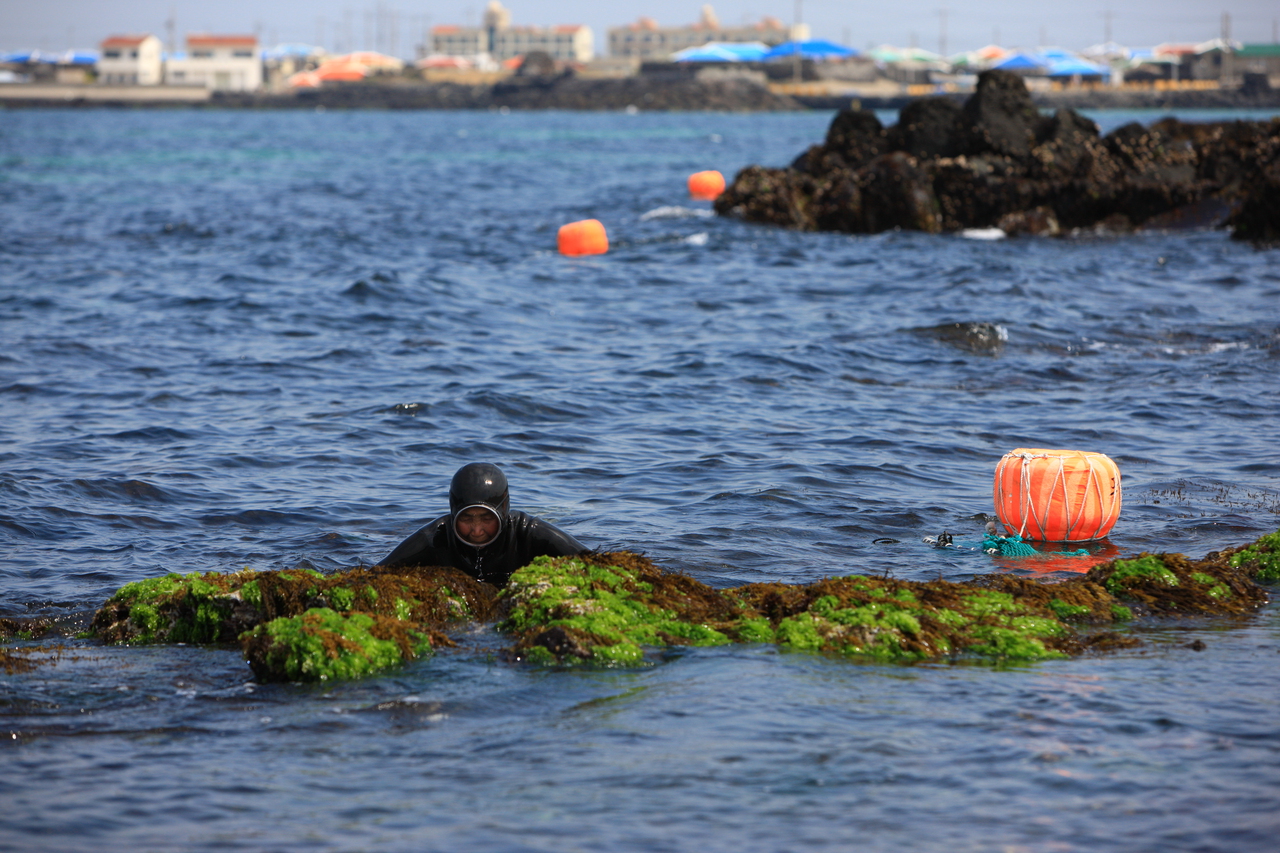
The island is best known for Hallasan, the country's highest point, its island-loop coastal Olle trail, flower blossoms all year round, surfing beaches and scenic ocean roads. Jeju-do also produces most of Korea's tangerines and is home to haenyeo, women freedivers known for harvesting seafood that you can enjoy fresh.
There are only two major cities, but you can also stay in smaller coastal villages, many of which are full of sea-view cafés. While a car is the easiest way to explore the island, the bus network is also well developed.
Keep in mind that the weather can sometimes be harsh and windy.
Study-café data is a manual editorial estimate, last updated in October 2026. Live data currently unavailable.
Study-café data is a live qualitative estimate based on Kakao® Local API ↗ results.
Rental prices
Short-term stay, per month
₩1.1–1.6M
Typical size
23–30 m² and up
Upfront deposit
none
The prices shown are for decent furnished stays available to foreigners, without a large upfront deposit or long-term contract.
Depending on the platform, Jeju City has a larger number of listings, while Seogwipo tends to offer more spacious options. Since Jeju is a highly popular destination for both locals and foreigners, Airbnb coverage across the island is broad, with monthly discounts that can bring prices even below the indicated range.
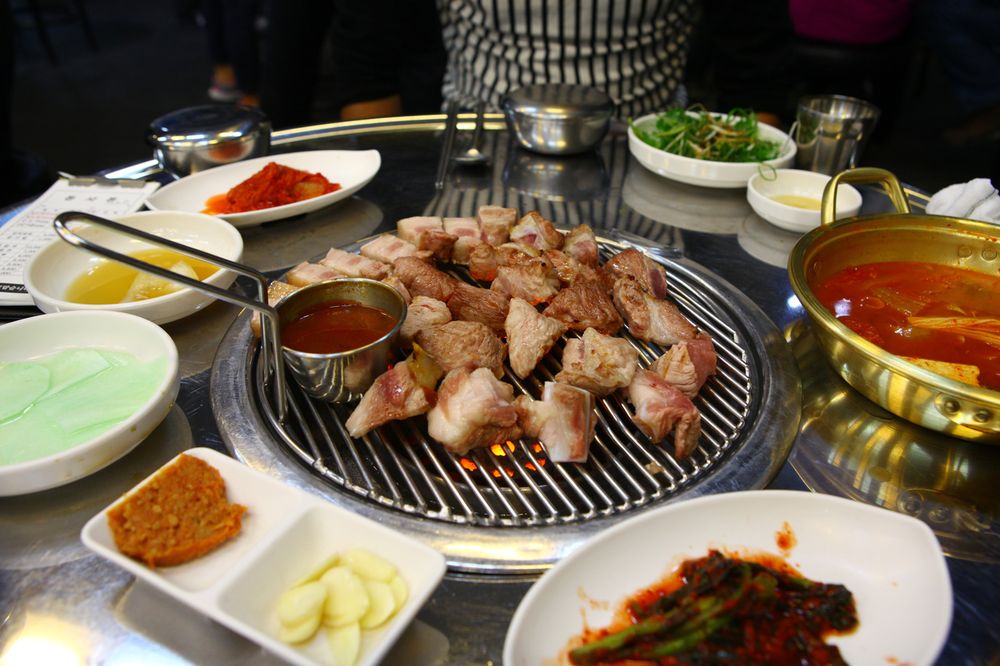
Jeju black pork with a firm, chewy texture. Can be served as Black Pork BBQ (흑돼지 구이, most popular), Dombegogi (돔베고기, steamed pork slices), Momguk (몸국, gulfweed soup) and Gogiguksu (고기국수, pork noodles).
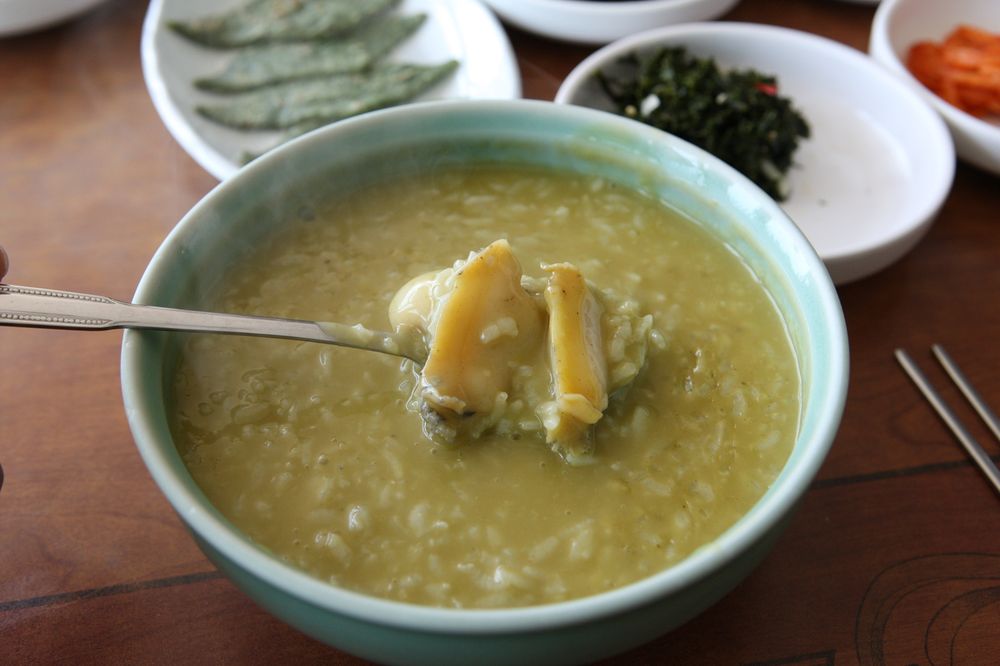
Abalone rice porridge, sometimes called the "King of porridge" in Korea. Best from April to June.
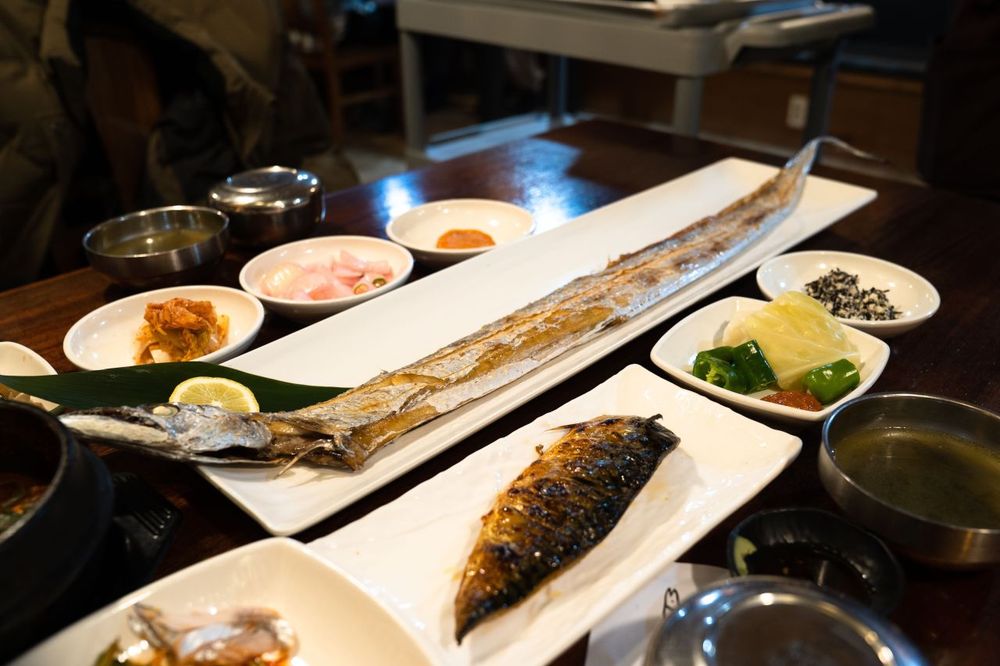
Galchigui 갈치구이
Grilled cutlassfish, seasoned only with salt and served whole.
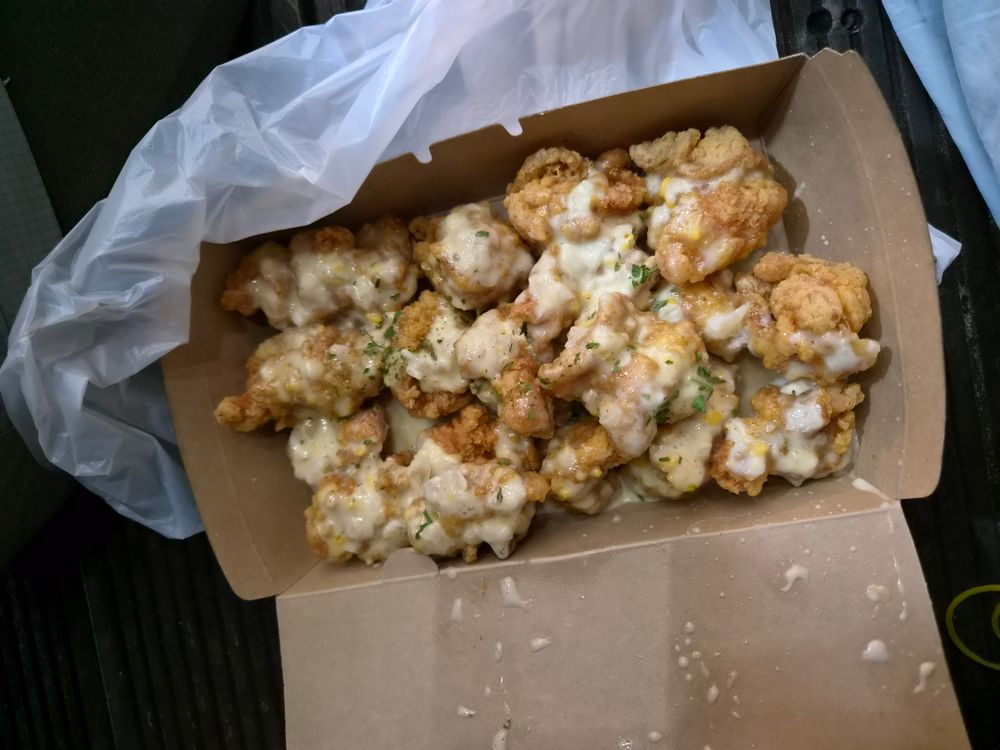
Gamgyul Chicken 감귤치킨
Fried chicken in a tangerine cream sauce.
dessert
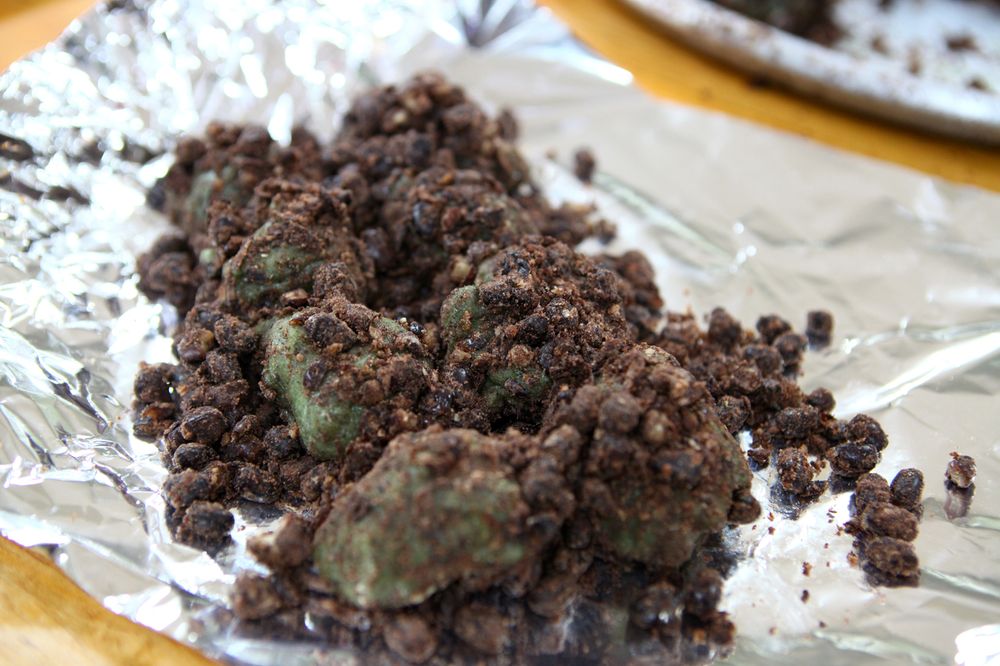
Omegitteok 오메기떡
Sweet, chewy millet rice cake rolled in bean powder or mashed red bean.
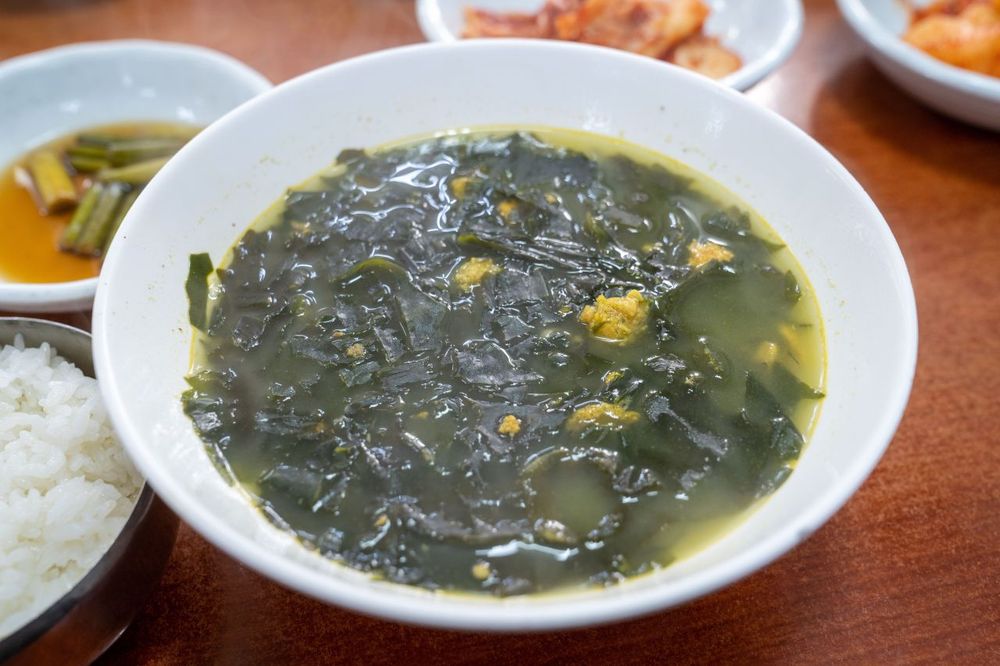
Seonggemiyeokguk 성게미역국
Seaweed soup with sea urchin roe, seasoned with salt and soy sauce. Served with rice on the side.
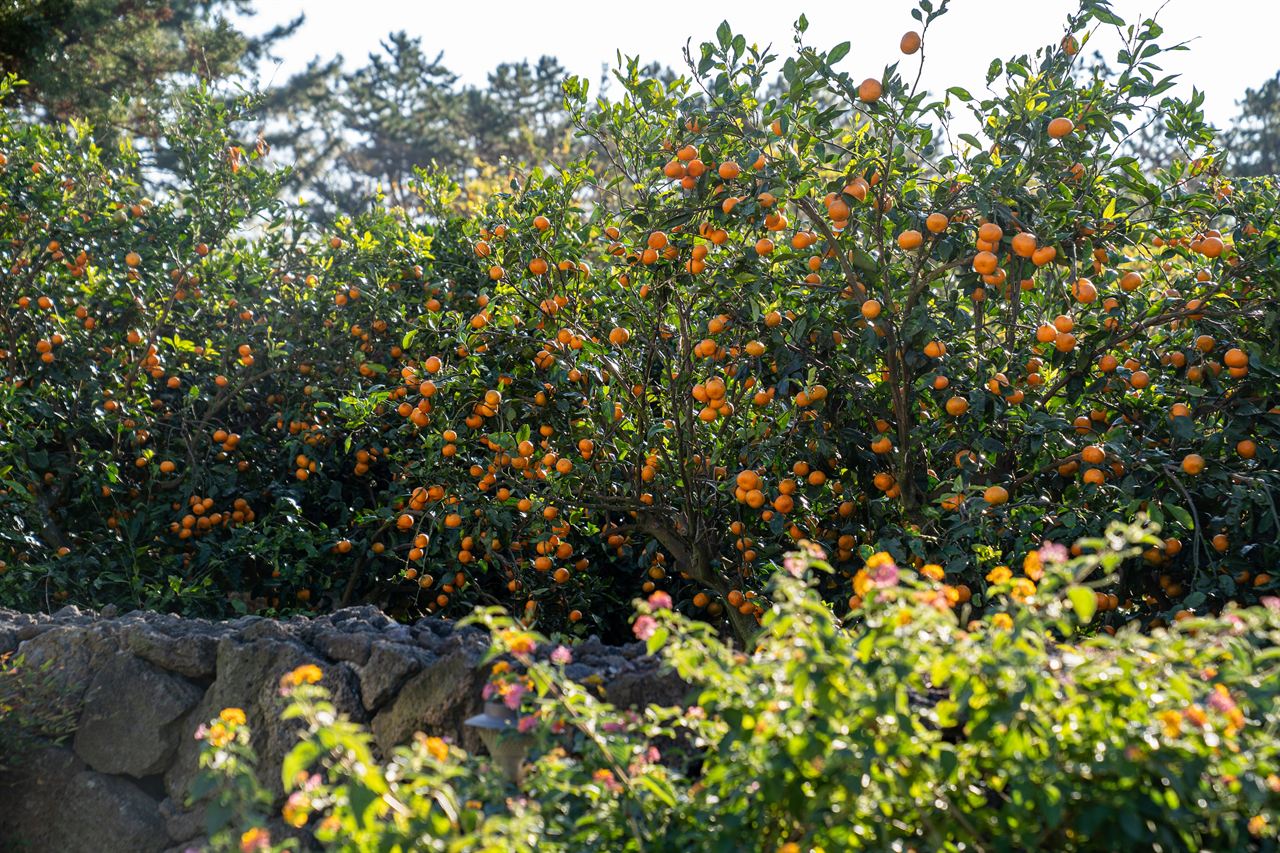
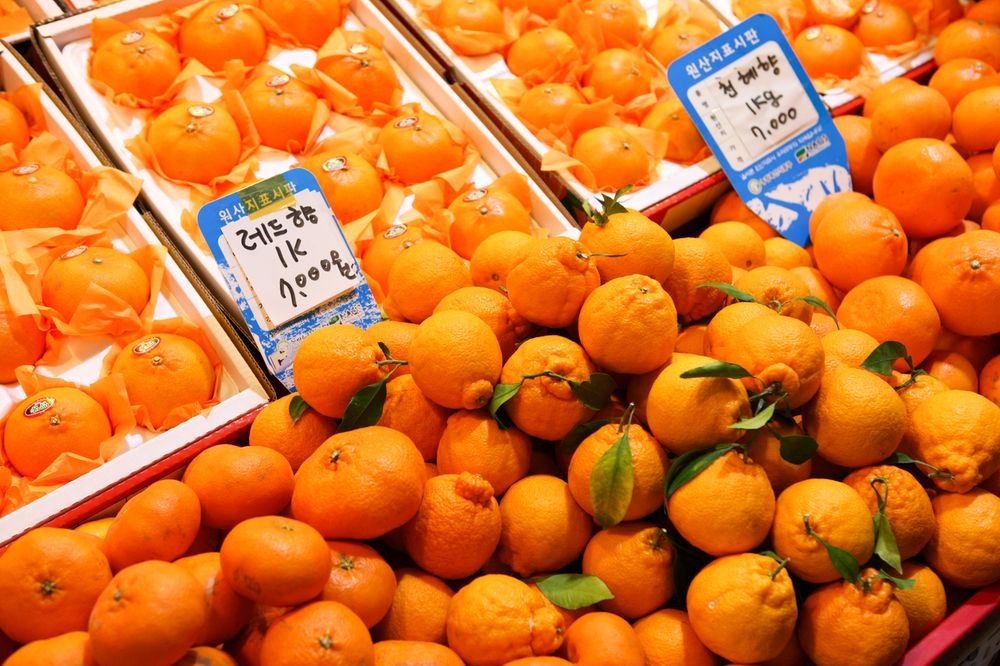
Tangerines 귤
Most Korean tangerines come from Jeju. Citrus season is from November till March, starting with regular tangerines and ending with Hallabong, a Jeju specialty.